How to write an art grant proposal: structure, a worked budget, and a copy-and-fill template
The seven parts of a grant proposal juries expect, how long each should be, a worked budget for a real project, the sentences that get proposals rejected, and a template you can fill in an afternoon.
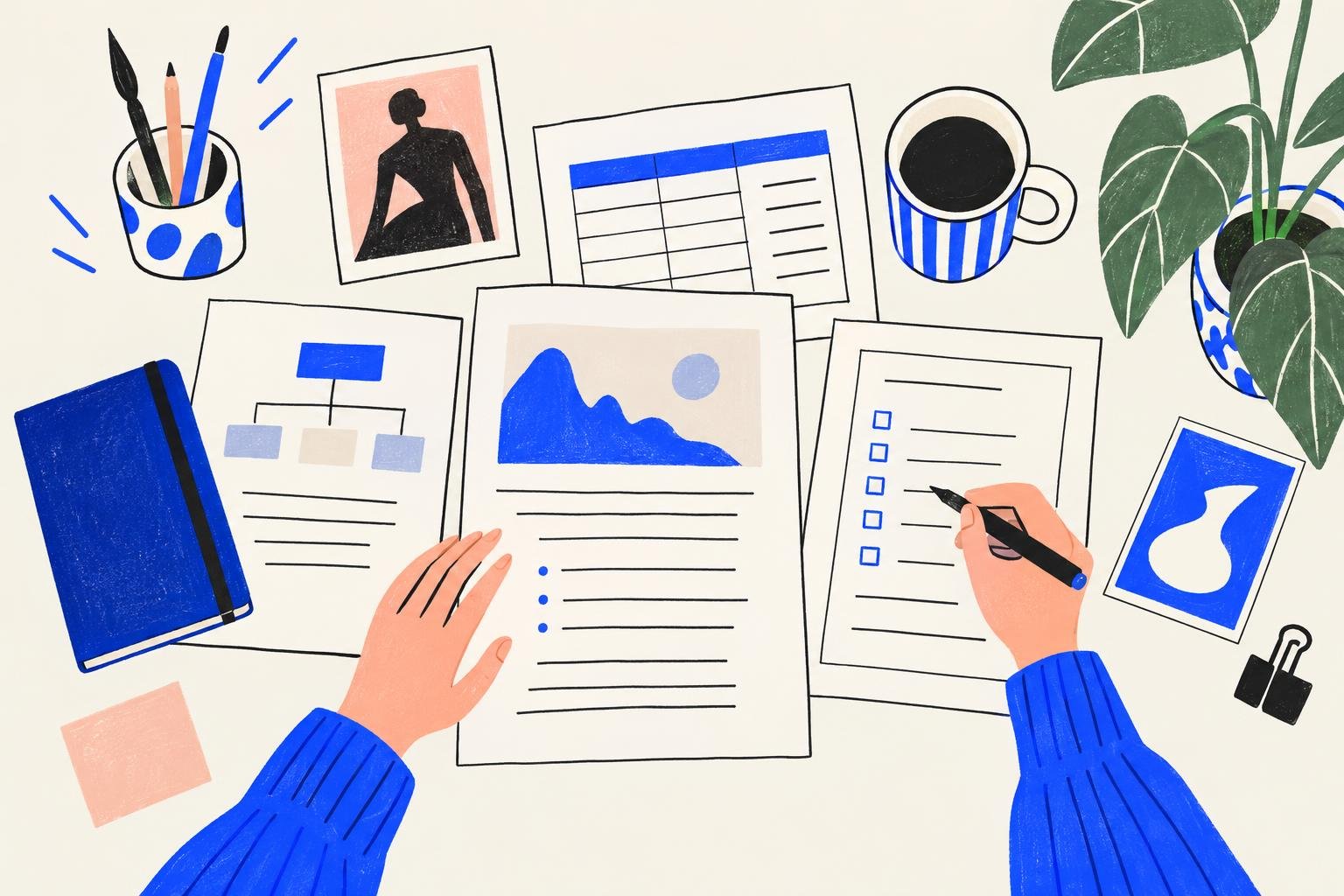
Short answer: a grant proposal says what you will make, why it matters, how you will do it, what it costs, when it will be done and how you will know it worked, in that order, in as few words as the form allows. Juries read the first paragraph and the budget first; if those two agree with each other and with the funder's purpose, the rest gets read. Write the project paragraph, build the budget line by line, then write everything else to match them.
What a proposal is, and what it is not
A proposal is a plan with a price. It is not an artist statement, which is about your practice in general, and not a CV, which is about your past. Funders ask for all three because they answer different questions: can this person do it (CV), is the work any good (statement and images), and is this specific project worth our money (proposal). The other two documents are covered in Artist statement examples and Artist CV template. This article is the third.
The seven parts
Most forms break the proposal into boxes with their own word limits. Whatever the labels, the content is these seven things.
Summary (50–100 words). What you will make, where, for whom, by when, for how much. One paragraph a juror could read aloud to the panel. Write it last, put it first.
The project (200–400 words). What exactly will exist at the end: a body of twelve paintings, a 14-metre mural on a named wall, a performance in three venues. Concrete nouns, sizes, numbers.
Why it matters, and why now (100–200 words). The context: for your practice, for the place, for the audience. This is where you connect the project to the funder's purpose, in their words, honestly.
How you will do it (150–300 words). Method, stages, collaborators, permissions already secured. For a public work: the site, the owner's consent, the transfer and painting method, the schedule. A method that works in daylight and keeps its place across days, like a VR layout for a mural, makes a tight timeline believable; the options are compared in How to scale a mural.
Timeline. Month by month, from award to completion to report. Funders know projects slip; a timeline with slack reads as experience.
Budget. Itemised, with your own fee as a line. See the worked example below.
Outcomes and evaluation (50–150 words). What will exist, who will see it, how you will document it, what you will report. Public funders need this for their own reporting; give it to them.
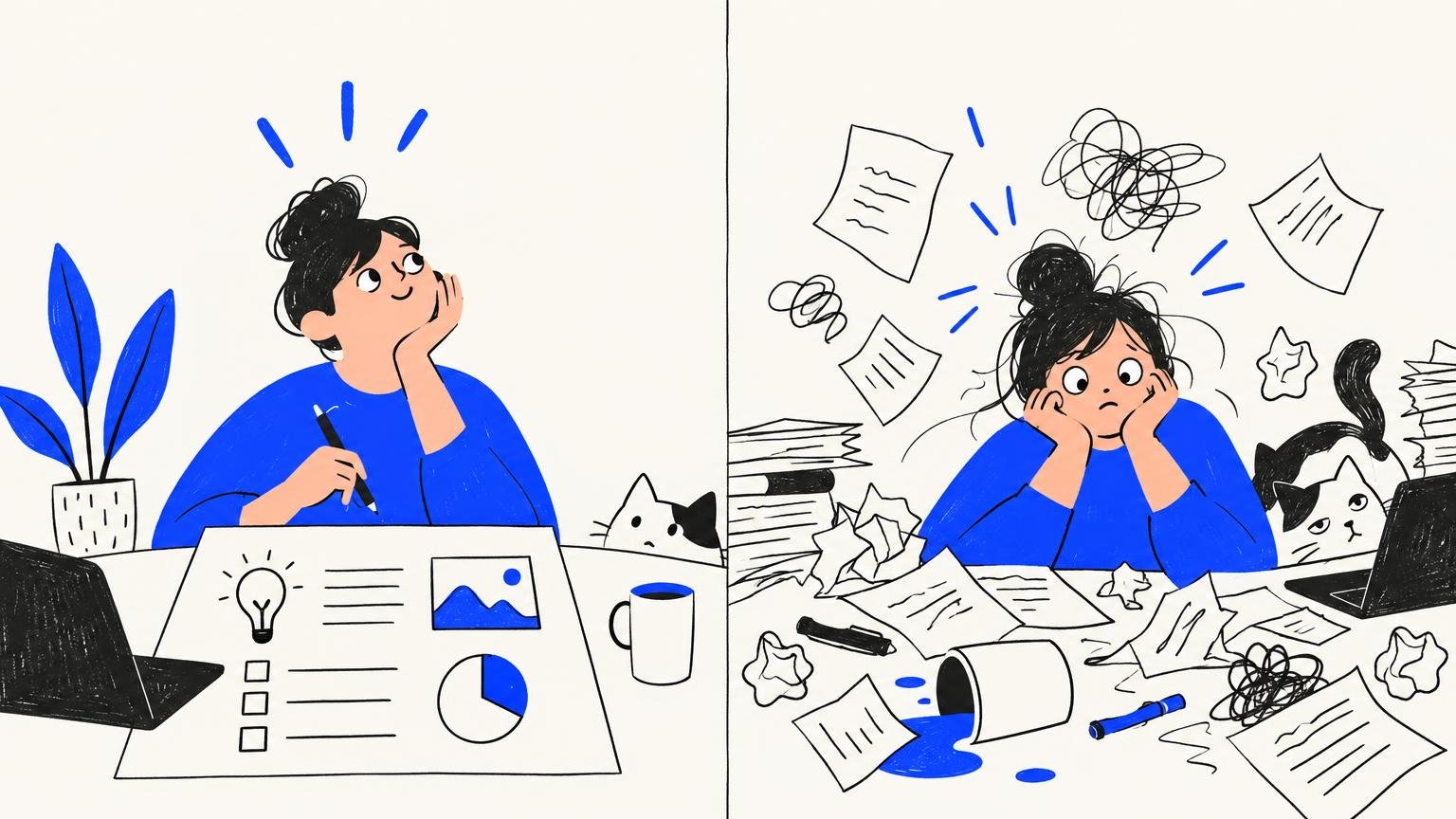
A proposal is a plan with a price. When the first paragraph and the budget agree, the rest gets read.
A worked budget
A budget for a 10 × 6 metre community mural, as a funder would expect to see it. Replace every number with your own.
Artist fee: 12 days at your day rate.
Design fee: 3 days, including two revisions with the wall owner.
Paint and primer: from a calculated quantity, not a guess; the mural paint calculator gives the litres and cans from the sketch and the wall size.
Access equipment: scissor lift hire, 5 days, plus delivery.
Wall preparation: pressure washing, filling, one coat of masonry primer.
Anti-graffiti coating.
Insurance: public liability for the duration.
Travel and accommodation, if the wall is not local.
Assistant: 4 days.
Documentation: photography, a short video, a plaque.
Community workshop: materials and a half-day of your time.
Contingency: 10 percent of the above.
Total: the sum, and the amount requested, which may be less than the total if you have other funding or in-kind support. Say where the rest comes from. What a realistic artist fee looks like, and the going rate per square metre, is in How much to charge for a mural.
Sentences that get proposals rejected
"This project will explore themes of…" Say what you will make.
"The funding will allow me to continue my practice." The funding buys a specific thing; name it.
"Budget: materials $2,000, other $1,000." Round numbers and an "other" line read as unplanned.
"I will find a suitable wall after the award." Secure the site, or show the letter that says you will.
A timeline that ends on the deadline for the funder's report. Build in slack.
A budget with no artist fee. Funders want to pay you; a zero fee looks like you do not value the work, and many programmes will not fund an unpaid artist.
Matching the proposal to the funder
Read the funder's purpose statement and two years of funded projects before writing. If they fund community engagement, your project needs a real engagement component, not a sentence. If they fund emerging artists, your CV should show you are one. If the fit is weak, do not force it; find a funder whose purpose your project already serves. How the different kinds of funder think is in Grants for artists, and the public-art sources specifically in Grants for muralists and public art funding.
The matching itself is the slow part, and it is what Sketchar built Artists Agent for: it compares each grant, residency, open call and festival against your country, career stage, degree and mediums, so you only write proposals for funders you fit, and it drafts the opening of each application from your CV. Exploring is free and needs no account.
Template
Copy and fill. Keep the headings even if the form has its own; they map onto any application.
Project title
Summary. In [place], I will make [what, with sizes and numbers] between [start] and [end], for [audience], at a total cost of [sum], of which I am requesting [amount] from [funder].
The project. [What will exist at the end. Materials, scale, format, location. Who is involved.]
Why it matters. [For the audience, the place, your practice. Connect to the funder's purpose in one honest sentence.]
Method. [Stages. Permissions secured. Collaborators. Technique and schedule, including how you will transfer and produce the work.]
Timeline. [Month 1: … Month 2: … Completion: … Documentation and report: …]
Budget. [Itemised lines, your fee included, contingency, total, amount requested, other sources.]
Outcomes. [What will exist, who will see it, how it will be documented, what you will report.]
Support material. [Images with captions, CV, statement, letters of permission or support.]
Step 1 – Write the summary paragraph
If you cannot write it, the project is not defined yet. Keep rewriting until a stranger could repeat it.
Step 2 – Build the budget from real quotes
Lift hire, paint, insurance, travel: ask for prices. The budget is the most-read page after the summary.
Step 3 – Write the project and method to match the budget
Every line in the budget should appear in the method, and every stage in the method should appear in the budget.
Step 4 – Cut to the word limits
Forms enforce limits; juries notice padding. Shorter proposals with concrete nouns beat longer ones with adjectives.
Step 5 – Attach what was asked, named clearly
"Surname_image_01.jpg" with a caption sheet. Letters of permission for any site. Nothing extra.
Step 6 – Have someone outside the art world read it
If they can tell you what you will make and what it costs, it is ready. If they cannot, neither can a tired juror.
FAQ
How long should an art grant proposal be? As long as the form allows and no longer: typically 800 to 1,500 words across all sections, plus a one-page budget. Where there is no limit, two pages of text is plenty.
What should an artist grant proposal include? A summary, the project, why it matters, the method, a timeline, an itemised budget with your fee, and the outcomes you will report. Plus the support material the call lists.
Should I include my own fee in a grant budget? Yes. Funders expect to pay artists, and a budget without an artist fee is often marked down. Use a day rate you can justify.
How do I write a budget for an art project? Line by line from real quotes: fee, materials, equipment, site preparation, insurance, travel, documentation, contingency. Show the total, the amount requested and where the rest comes from.
Can I reuse a grant proposal for different funders? The project, method and budget, yes. The summary, the "why it matters" section and the outcomes should be rewritten for each funder's purpose.
What is the difference between a grant proposal and an artist statement? The statement is about your practice in general; the proposal is a plan with a price for one specific project. Funders ask for both.
Write proposals only for funders you fit. Artists Agent matches grants, residencies, open calls and festivals to your profile and drafts the opening of each application from your CV. Free to explore, no signup. Draft your proposal opening
▋