Hamza from Algeria on Murals, Millions of Views, and His Creative Journey with Sketchar
An artist story from Algeria: meet Hamza, one of the first commercial artists in the country to build his workflow around Sketchar — from AR sketching to 20M+ views and smarter paint planning.
Every artist story starts somewhere small — a notebook, a wall, a first paid commission. For Hamza, a commercial artist based in Algeria, it started with a simple question: how do I transfer this sketch onto a wall without losing three days to grid lines?
He was one of the first artists in Algeria to answer that question with Sketchar, using AR drawing to project his designs straight onto surfaces. What began as a shortcut became a signature. His process videos have since passed 20 million views, turning a working method into an audience.
We sat down with Hamza for an artist interview about his creative journey, the business side of murals, and the tools that keep his projects on schedule.
1. How did your creative journey begin, and when did Sketchar and AR drawing enter the picture?
My creative journey began with a simple passion for drawing and art. Over the years, I developed my skills in painting, murals, graffiti, and various other artistic styles. I now have more than 14 years of experience in the art world.
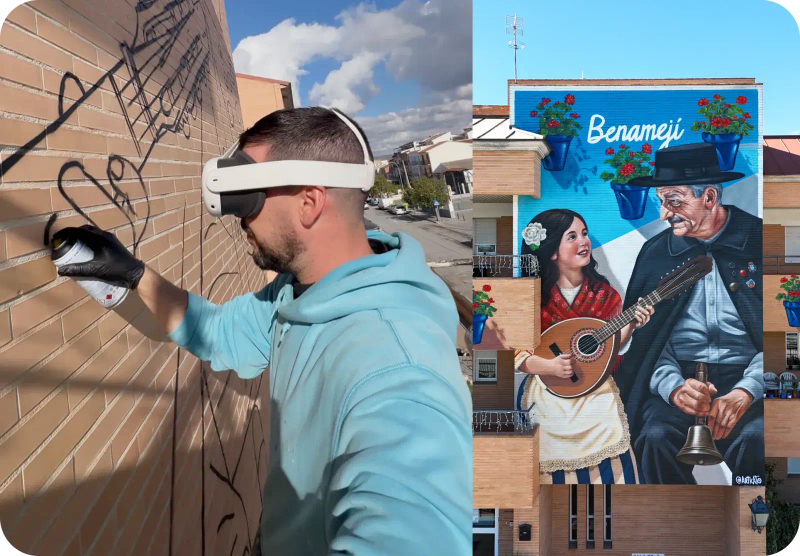
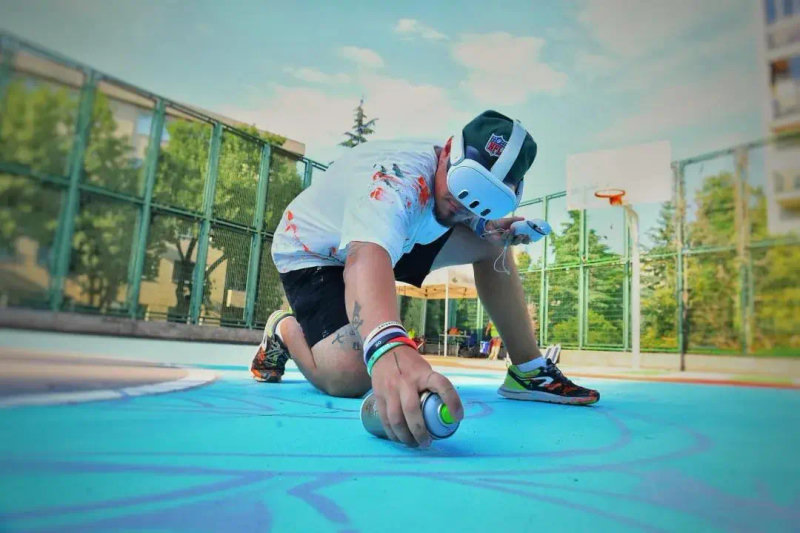
AR drawing entered my journey later, when I discovered how technology could help artists transfer digital ideas and designs onto large surfaces and walls. Through tools like Sketchar, which pioneered this technology, and the Meta Quest 3S, I discovered a completely new way to create murals.
This technology has given me greater precision and freedom in my work, especially on large walls, without having to rely on traditional projectors or complicated equipment.
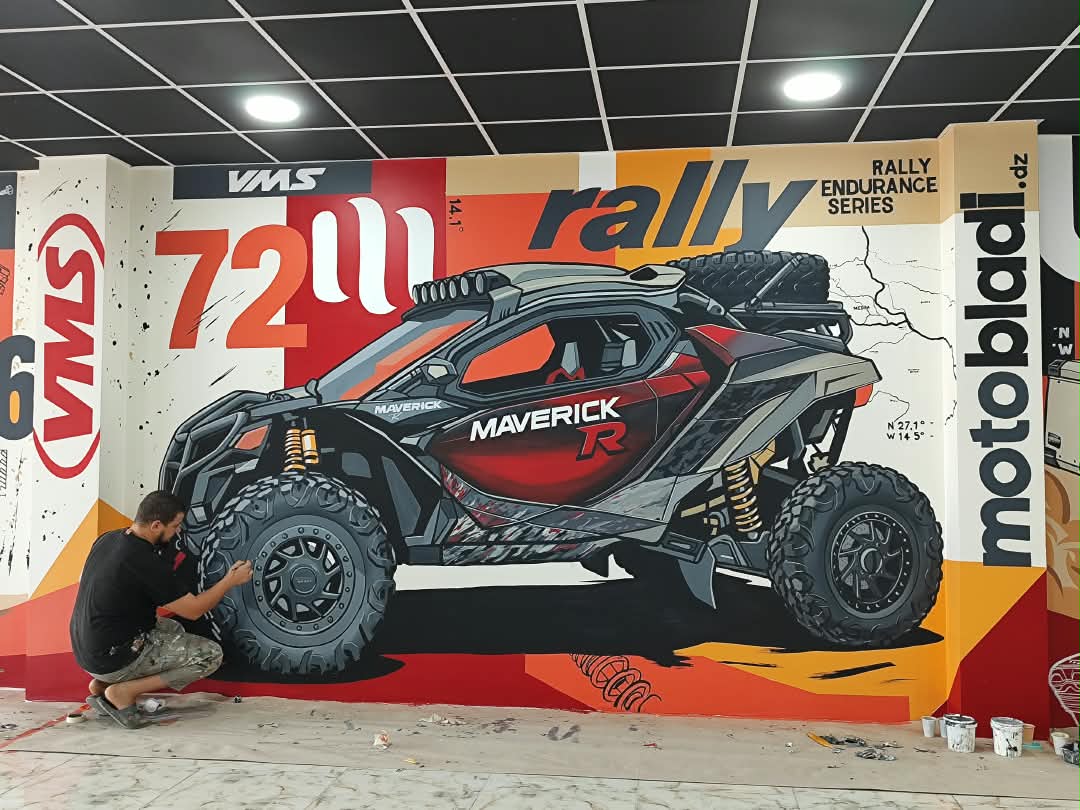
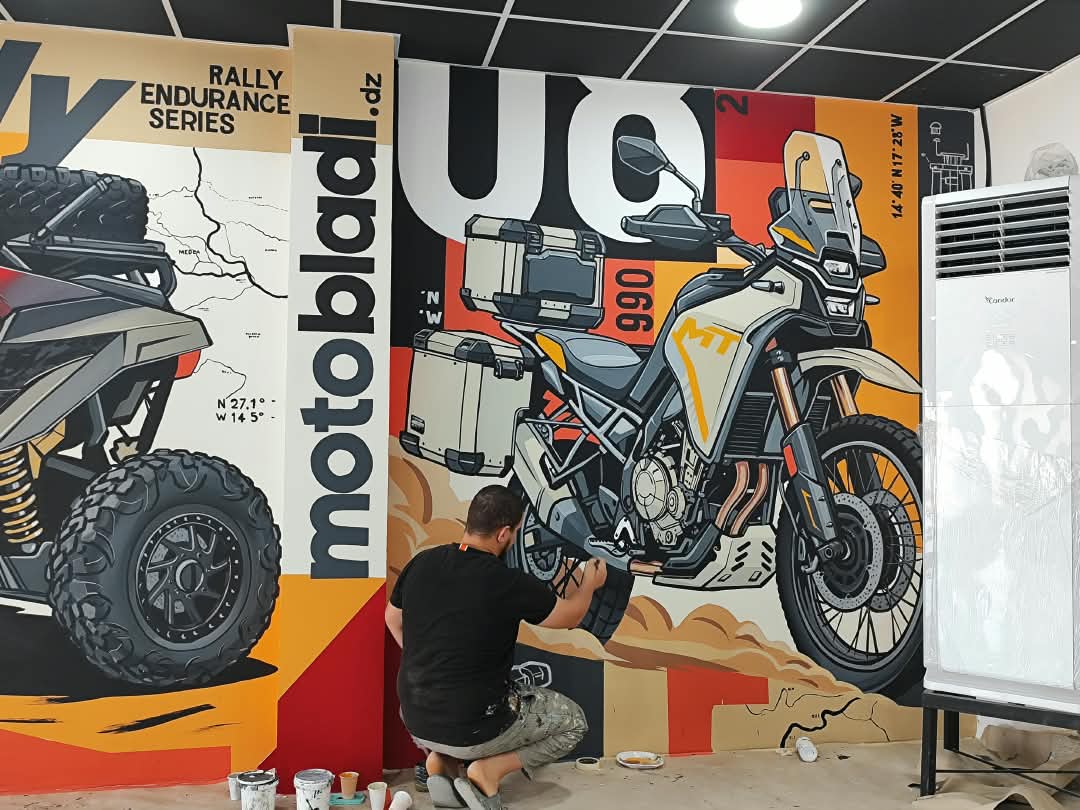
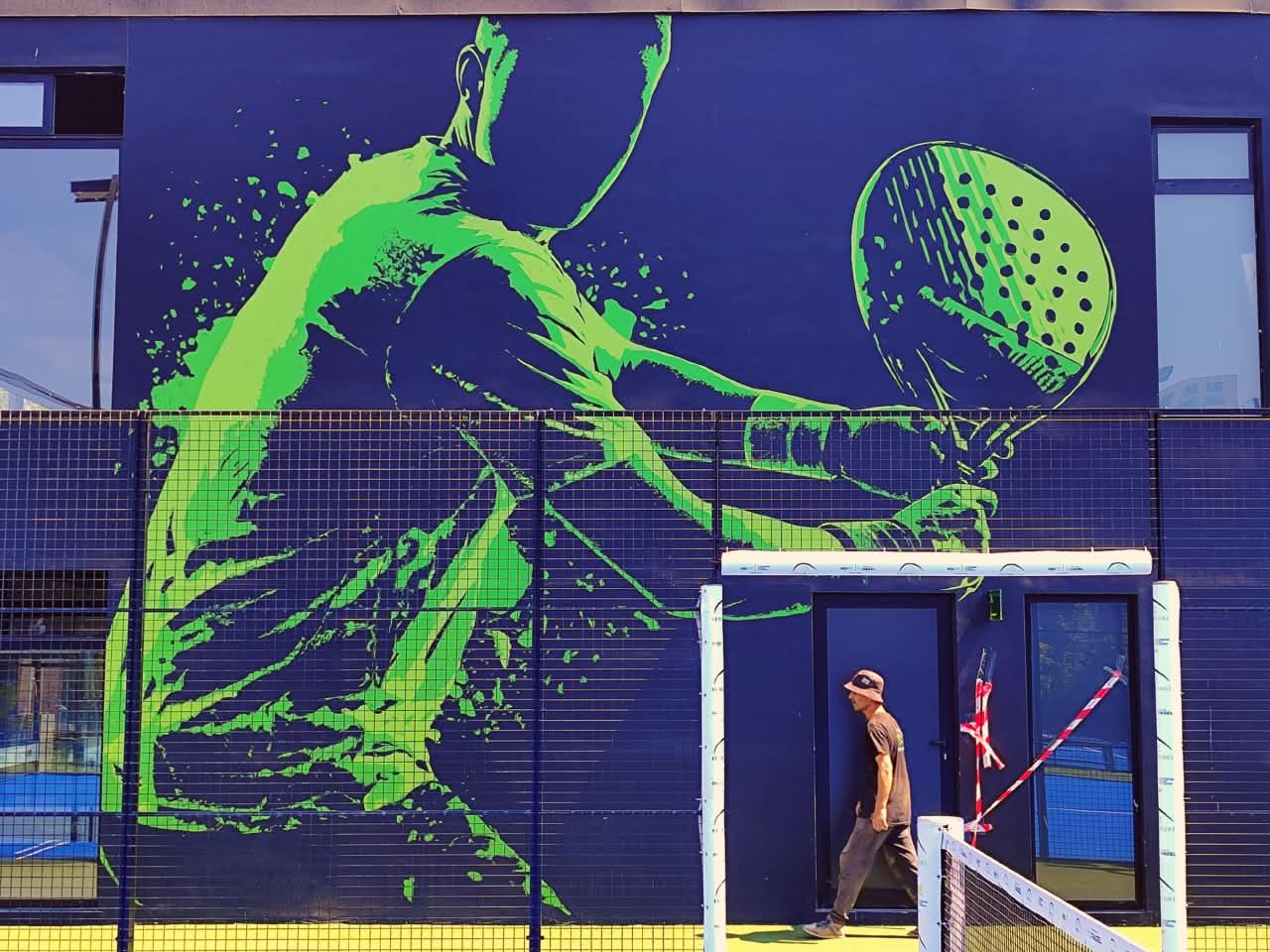
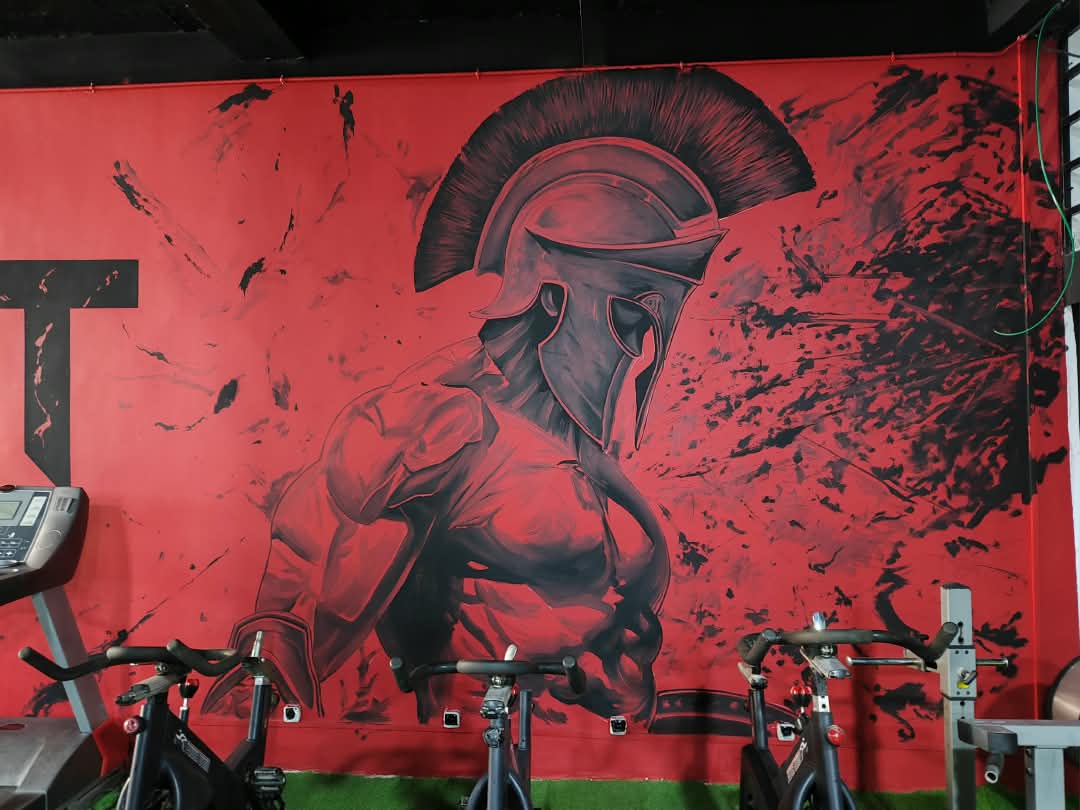
2. What does a typical project look like now, from brief to finished mural?
Usually, every project starts with a conversation with the client. I try to understand the space, the purpose of the mural, the client's identity, and the message they want to communicate.
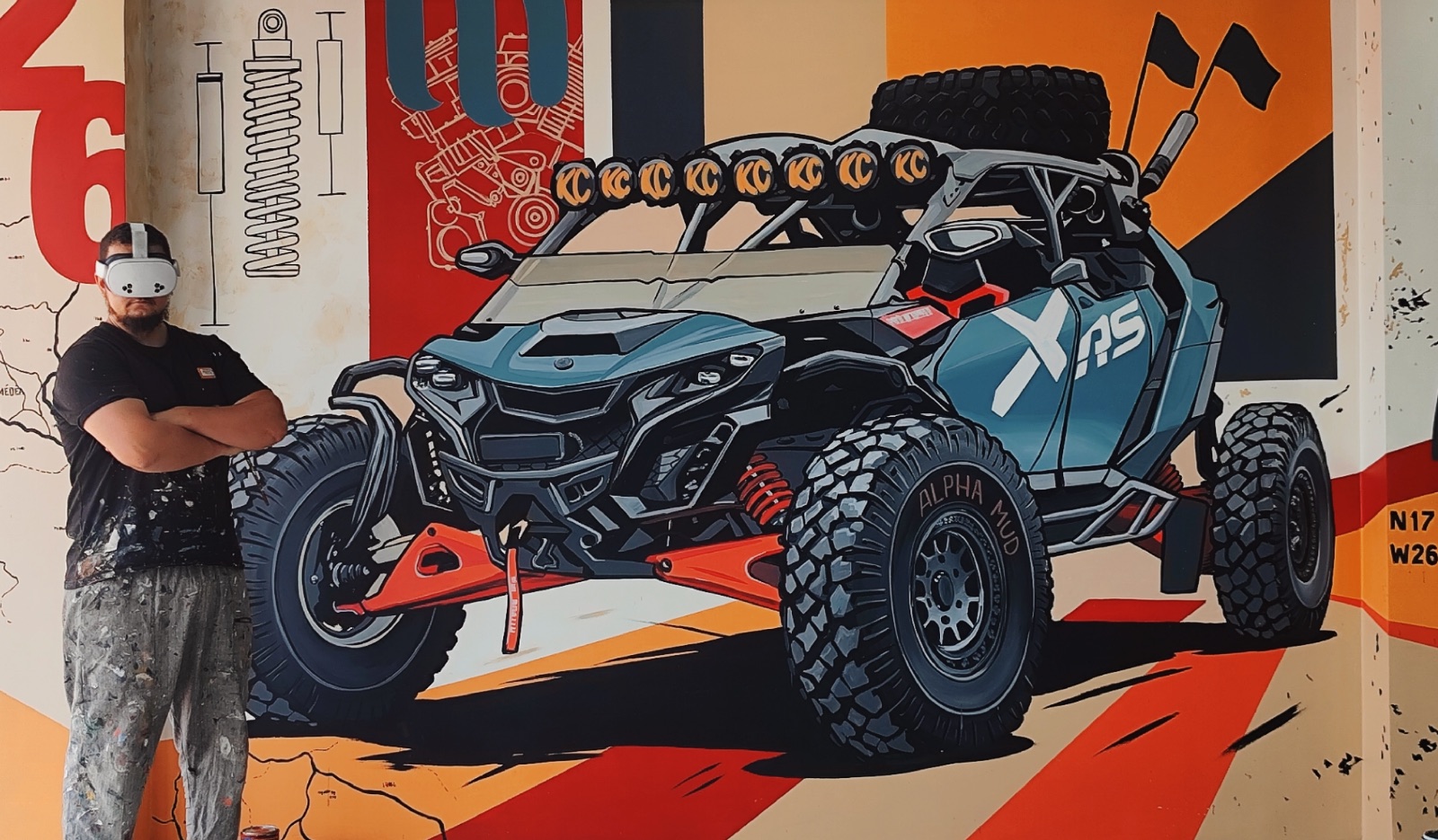
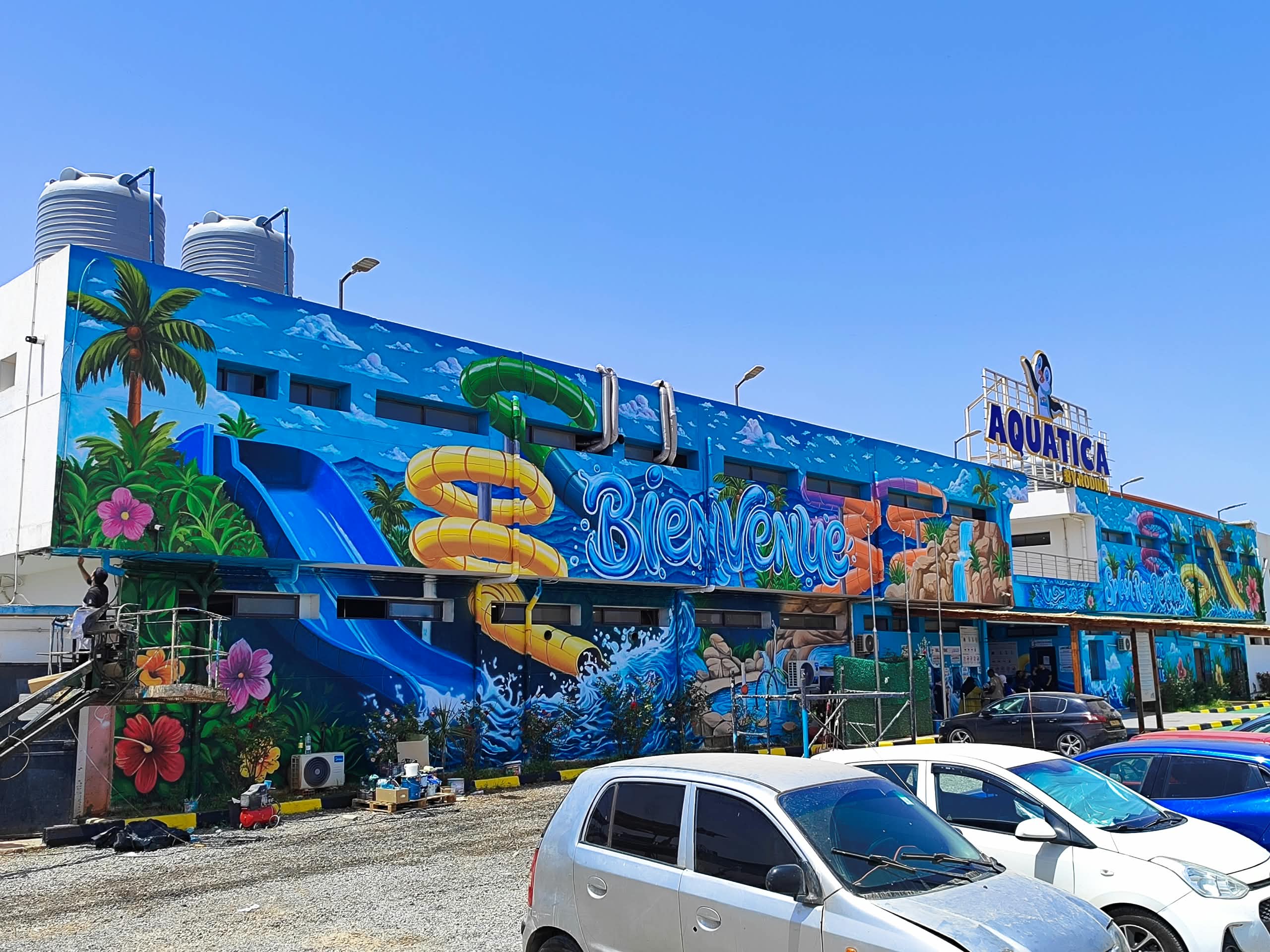
Then I develop the concept and create the design digitally. Once the design is approved, I prepare the wall and organize the colors and materials needed. For many projects, I use AR technology to help position and scale the artwork accurately on the wall.
I also give the client the VR headset so they can experience and see what their mural will look like before it is completed. This experience often surprises and impresses them, giving them a very professional impression of my work. It also creates a positive experience that they often share with others when talking about working with me.
Finally, I paint the mural step by step, from the main composition to the smallest details. The goal is always to make sure that the final artwork is not just a painting, but an integrated part of the space and its identity.
3. Your videos crossed 20 million views. Did you expect that?
Honestly, no. I never expected my videos to reach more than 20 million views.
At the beginning, I was simply sharing my creative process and showing people how I combine traditional mural painting with modern technologies like Augmented Reality (AR) and Virtual Reality (VR). But people from more than 50 countries became interested in this approach and in the creative process behind my work.
This experience taught me that sometimes the most powerful content is simply showing what you genuinely do, with honesty and passion. I think people were curious because they had never seen mural painting approached in this way before.
4. You also use the Paint Calculator. Why does that matter for a commercial artist?
For a commercial and professional artist, planning is extremely important. A mural is not only about creativity — it also involves budgets, materials, time, and organization.
The Paint Calculator on the Sketchar platform helps me estimate how much paint I need, organize the colors, and identify the exact color codes without relying on the traditional method of mixing colors by eye before starting a project. This reduces waste, controls costs, and lets me give clients a more accurate idea of what the project requires.
When you work professionally, especially on large mural projects, tools like this make the creative process more efficient, organized, and reliable.
5. What advice would you give artists in Algeria — or anywhere — starting out today?
My biggest advice: keep developing your artistic skills, but don't be afraid of technology.
The world is changing quickly, and artists today have access to tools that previous generations never had. Learn traditional fundamentals, but also explore digital tools, AR, VR, AI, and social media.
For artists in Algeria especially, I would say: don't think that your location limits your opportunities. The internet allows your work to travel around the world. Focus on building a strong style, document your process, share your work consistently, and keep learning.
Most importantly, be patient. Success usually comes from years of practice, experimentation, and persistence — not from one viral video.
Try Hamza's Workflow
Sketch in the app or on paper, project it with AR, plan your materials with the Paint Calculator, and paint. Whether it's your first bedroom mural or your fiftieth commission, the setup is the same — and it fits in your pocket.
Follow Hamza on Instagram.
Want to be featured in our next artist interview? Share your work with the Sketchar community and tag us.
▋