Why Creativity Matters for Kids: 5 Ways Art Shapes a Child's Mind
From confidence to problem-solving, here are five reasons why creativity is important for children — and simple ways to nurture it at home with drawing, AR, and AI art tools.
Ask a five-year-old to draw a dragon and they'll start immediately. Ask a fifteen-year-old and you'll often hear, "I can't draw." Somewhere in between, kids learn to doubt themselves.
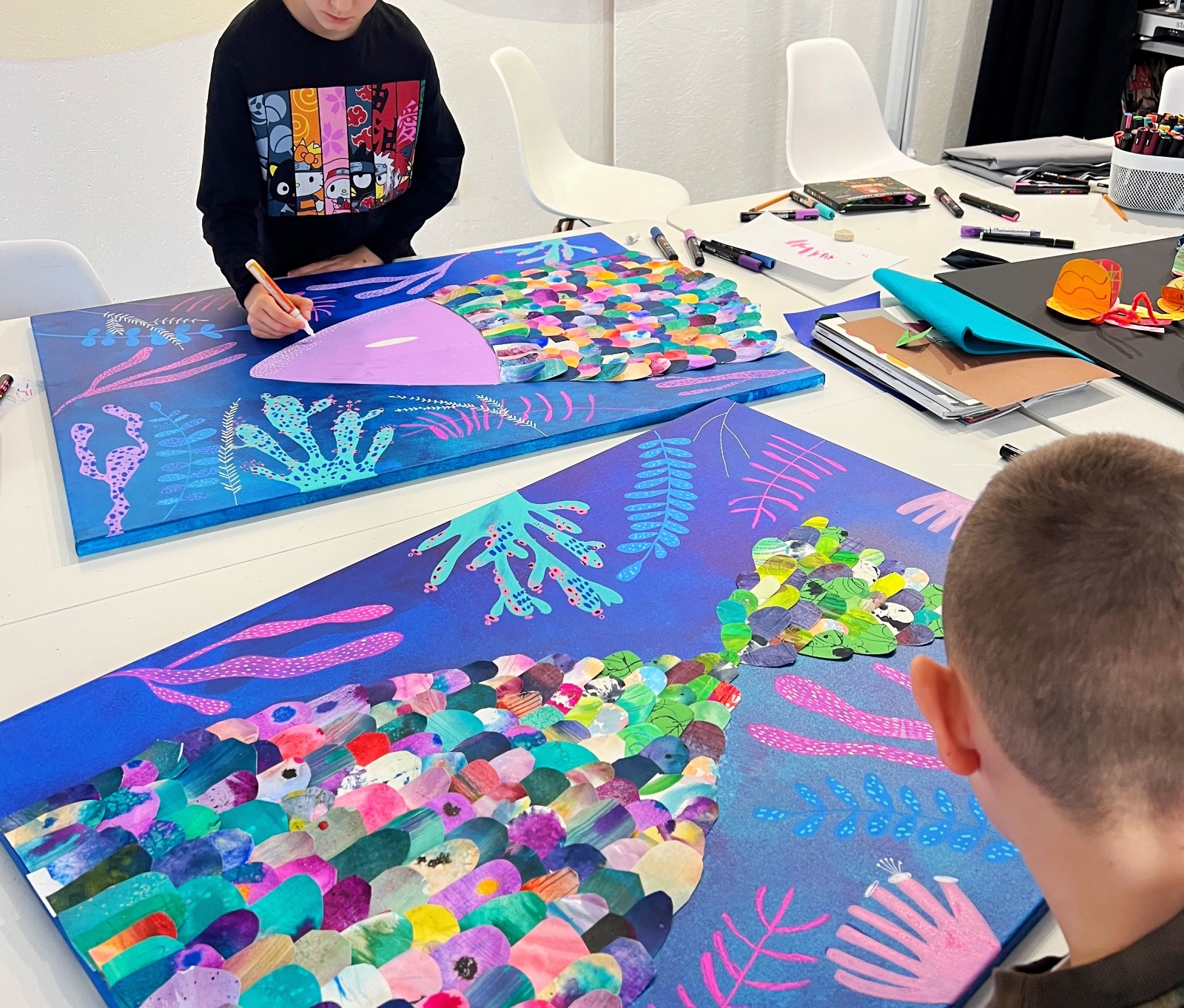
Creativity isn't a bonus skill reserved for future artists. It's how children process the world, test ideas, and build confidence. Here are five reasons why creativity is important for kids — and how drawing can support each one.
1. Creativity Builds Problem-Solving Skills
Every drawing is a series of small decisions. How big should the head be? What color is a shadow? What do I do when I run out of space on the page?
These micro-choices train flexible thinking. Kids learn that there's rarely one correct answer — only options with different outcomes. That mindset transfers directly to math, science, and everyday challenges.
"Think left and think right and think low and think high. Oh, the thinks you can think up if only you try!" — Dr. Seuss
2. Art Gives Emotions a Safe Outlet
Children often feel more than they can explain. A drawing becomes a translator: dark scribbles for a frustrating day, bright colors for excitement, a self-portrait for working out who they are.
Creative expression lowers stress and helps kids name what they're feeling. For many families, fifteen minutes of quiet sketching does more than a long conversation.
3. Drawing Strengthens Focus and Fine Motor Skills
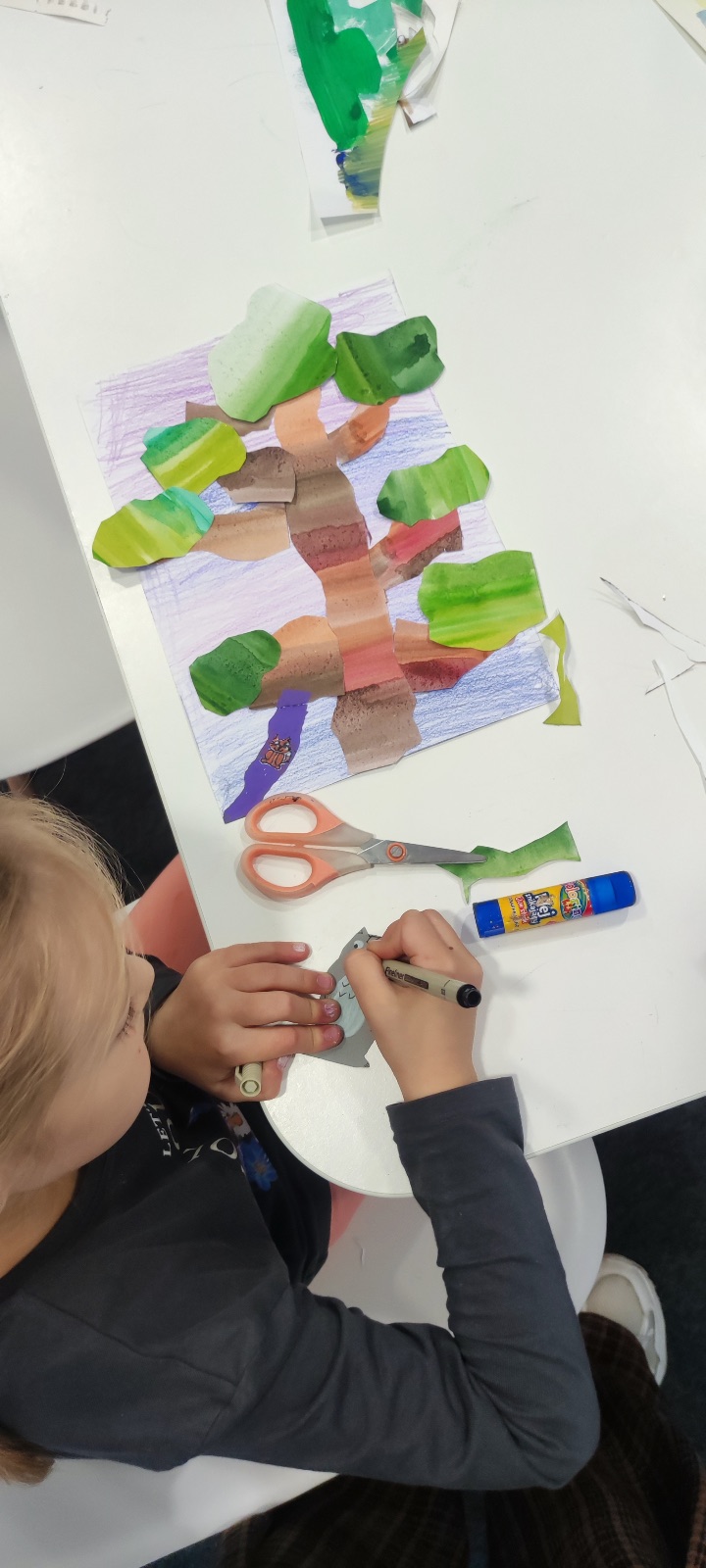
Holding a pencil, controlling pressure, following a line — drawing is physical training for small hands. It develops the same coordination kids need for handwriting, instruments, and sports.
It also teaches sustained attention. In a world of five-second videos, finishing a single illustration is a real exercise in patience.
4. Creative Wins Build Real Confidence
When a child finishes a drawing they're proud of, something clicks: I made this. That feeling of authorship is powerful, especially for kids who don't shine in traditional school subjects.
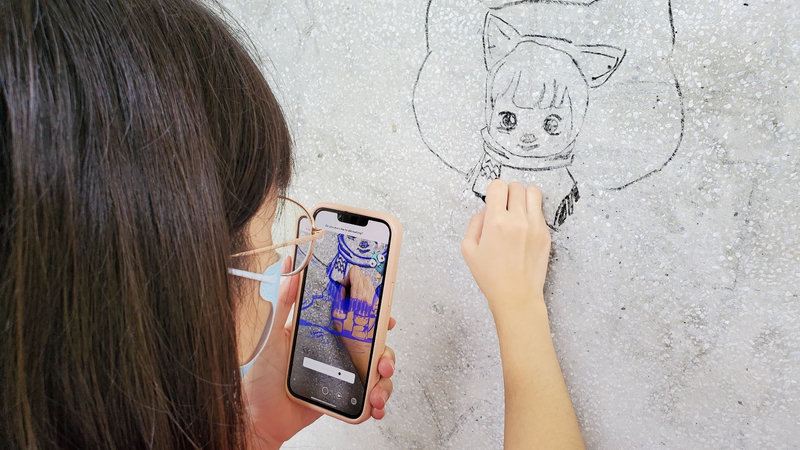
The key is progress they can see. Step-by-step guidance helps beginners avoid the "it looks wrong, I quit" moment — which is exactly why tools like Sketchar's AR tracing mode work so well. The app projects an outline onto real paper through the camera, so kids trace, learn the shapes, and gradually draw freehand.
5. Imagination Prepares Kids for the Future
The jobs today's children will do may not exist yet. What will matter is the ability to imagine something that isn't there and then build it.
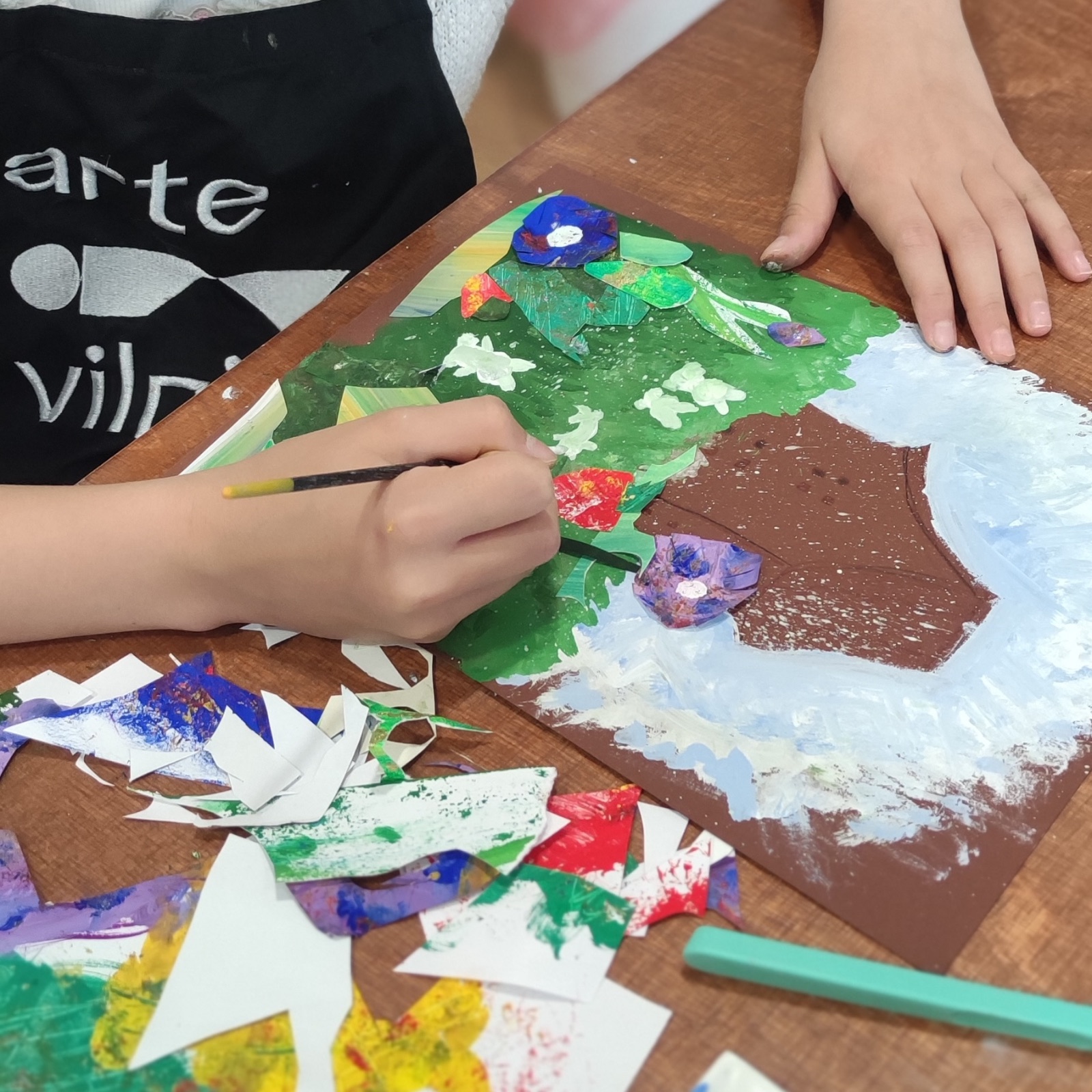
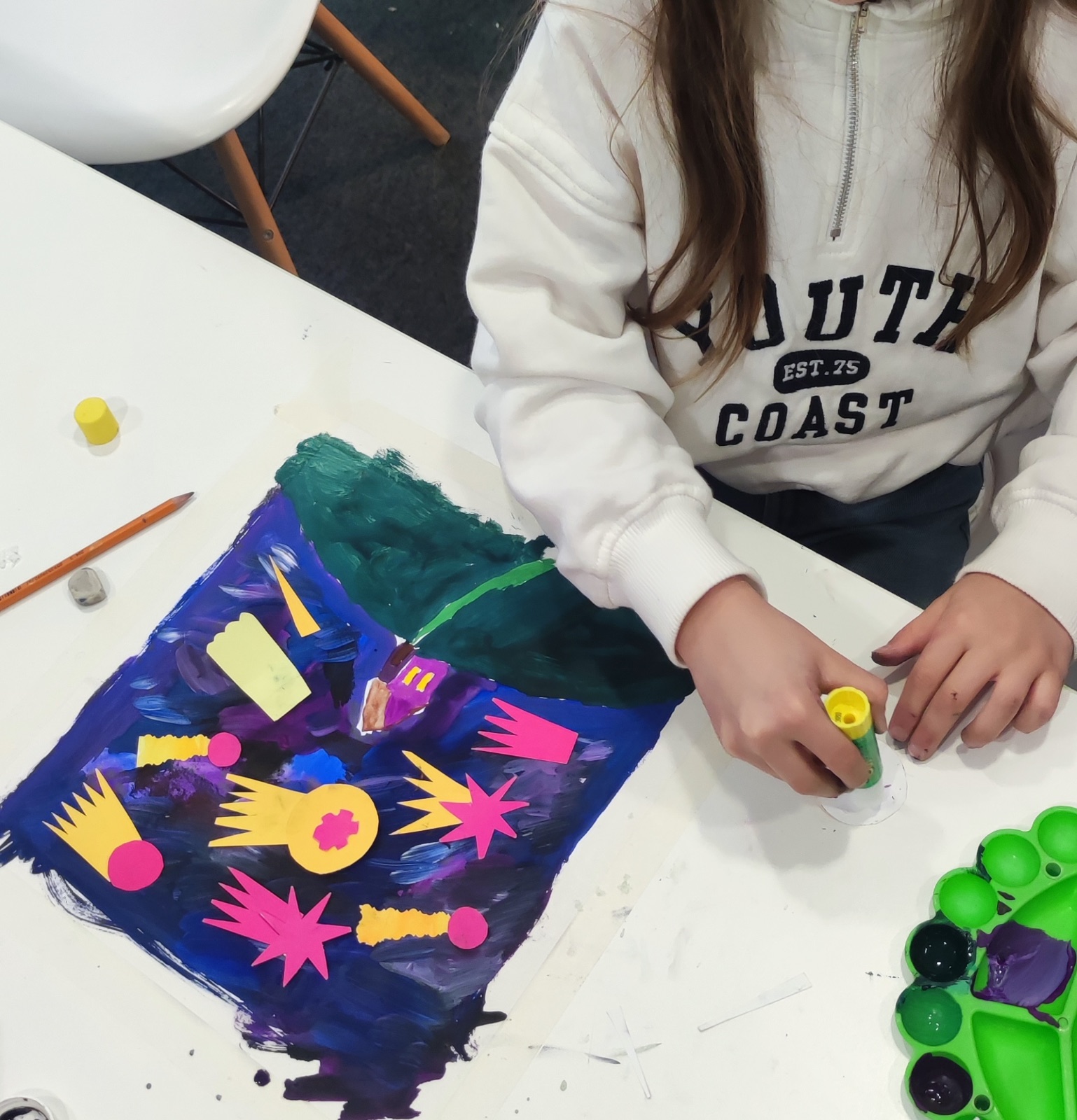
Creative play is the earliest version of that skill. Inventing characters, designing worlds, remixing ideas — it's all rehearsal for innovation.
New Technology, New Ways to Learn
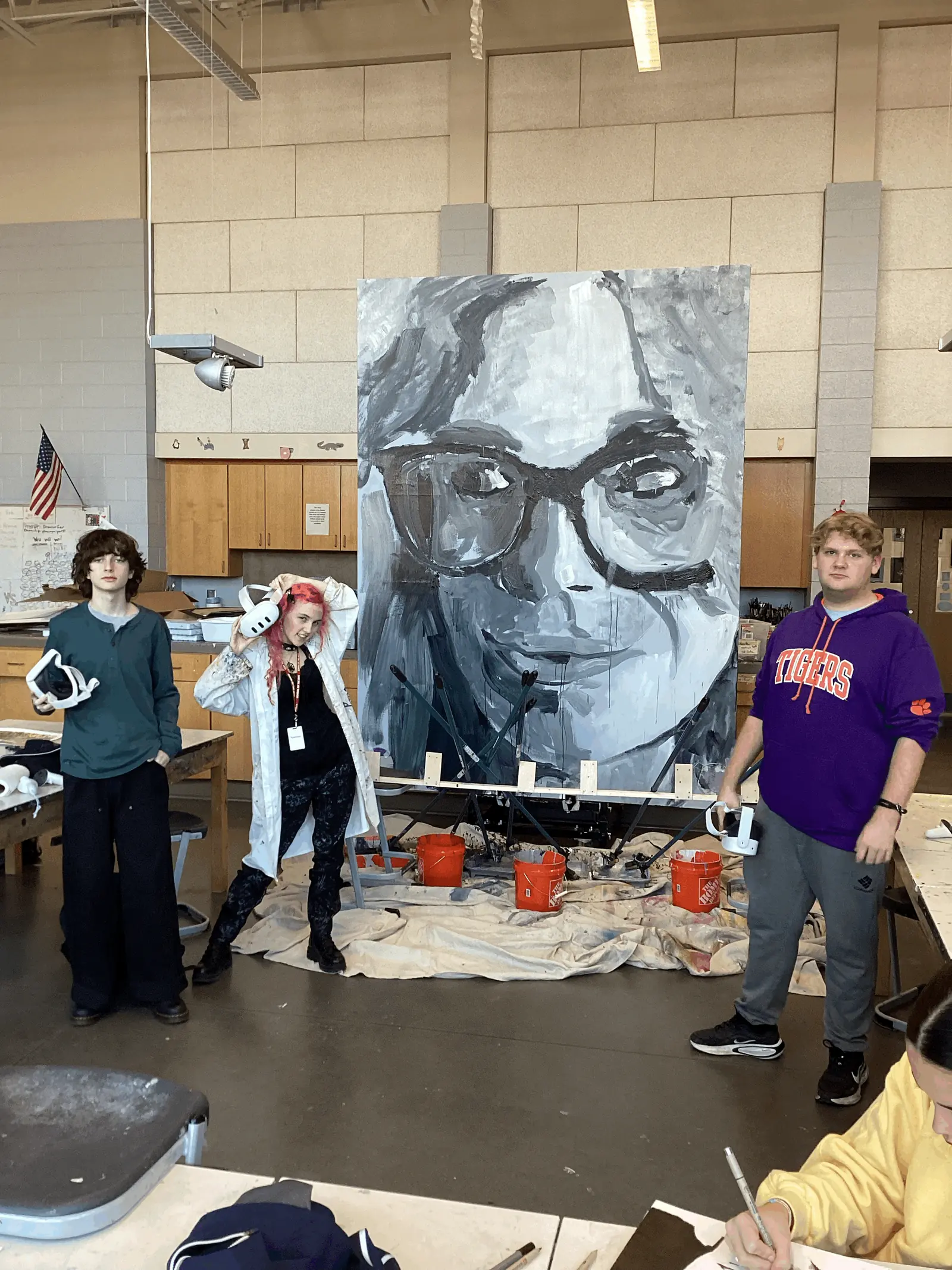
Technology doesn't replace a pencil — it opens a new kind of experience around it. Augmented reality in education turns a blank page into something a child can explore: the outline appears on real paper through the camera, and the lesson happens in the child's own hands. That's why AR drawing in schools has moved from novelty to classroom practice.
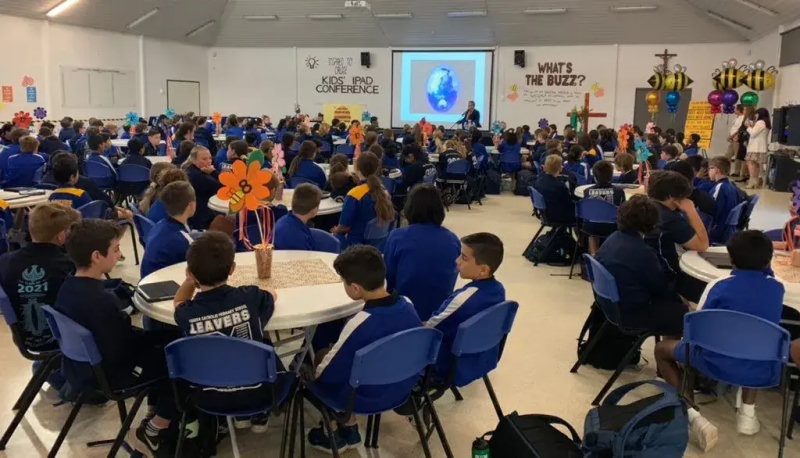
Sketchar is used and approved by schools and art teachers around the world, from art and STEAM programs to inclusive classrooms, as a way to teach drawing step by step. Teachers pair AR lessons with digital canvas practice and AI art tools so students experiment with styles, ideas, and mistakes without fear — the same way scientists run experiments.
How to Encourage Creativity at Home
Keep supplies visible. Paper and pencils on the table beat art stored in a closet.
Praise the process, not the result. "Tell me about this part" works better than "That's pretty."
Draw together. Kids copy what adults actually do, not what we recommend.
Mix analog and digital. Sketchbooks, a tablet canvas, AI art experiments — variety keeps curiosity alive.
Protect unstructured time. Boredom is where imagination starts.
Start Small
You don't need art classes or expensive supplies. A daily ten-minute drawing habit is enough to build skill and confidence over a year.
If your child needs a nudge to begin, a learn-to-draw app with guided lessons and AR tracing can turn "I can't draw" into "look what I made." That shift is the whole point.
▋