Is AR drawing cheating? What five centuries of tracing tools say
Tracing with a phone camera is the newest of five centuries of artists' tools. What it teaches, what it does not, and how to use it so you end up drawing freehand.
We built Sketchar around one observation: the hard part of learning to draw is not the hand, it is the eye. Tracing gets a correct shape onto paper on day one, so the person keeps going. Whether that is cheating depends on what you claim afterward and what you do with the trace. A traced outline handed in as an observational drawing is a lie. The same outline used to learn where the jaw sits under the ear is a study.
The short answer
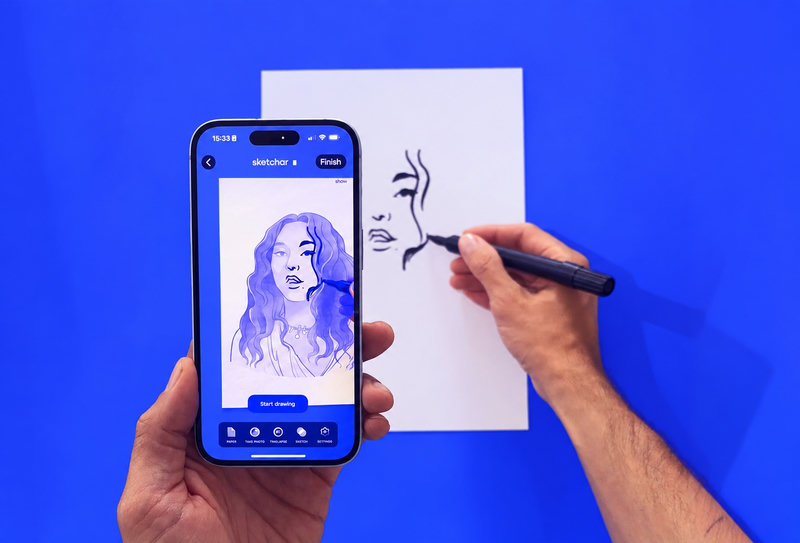
No. AR drawing is tracing with a better light table. The phone puts a faint image over your paper; your hand still holds the pencil, sets the pressure and makes the line. It stops teaching you the moment you follow the outline without looking at what it describes. It starts teaching you when you lower the opacity over time and draw the final pass freehand.
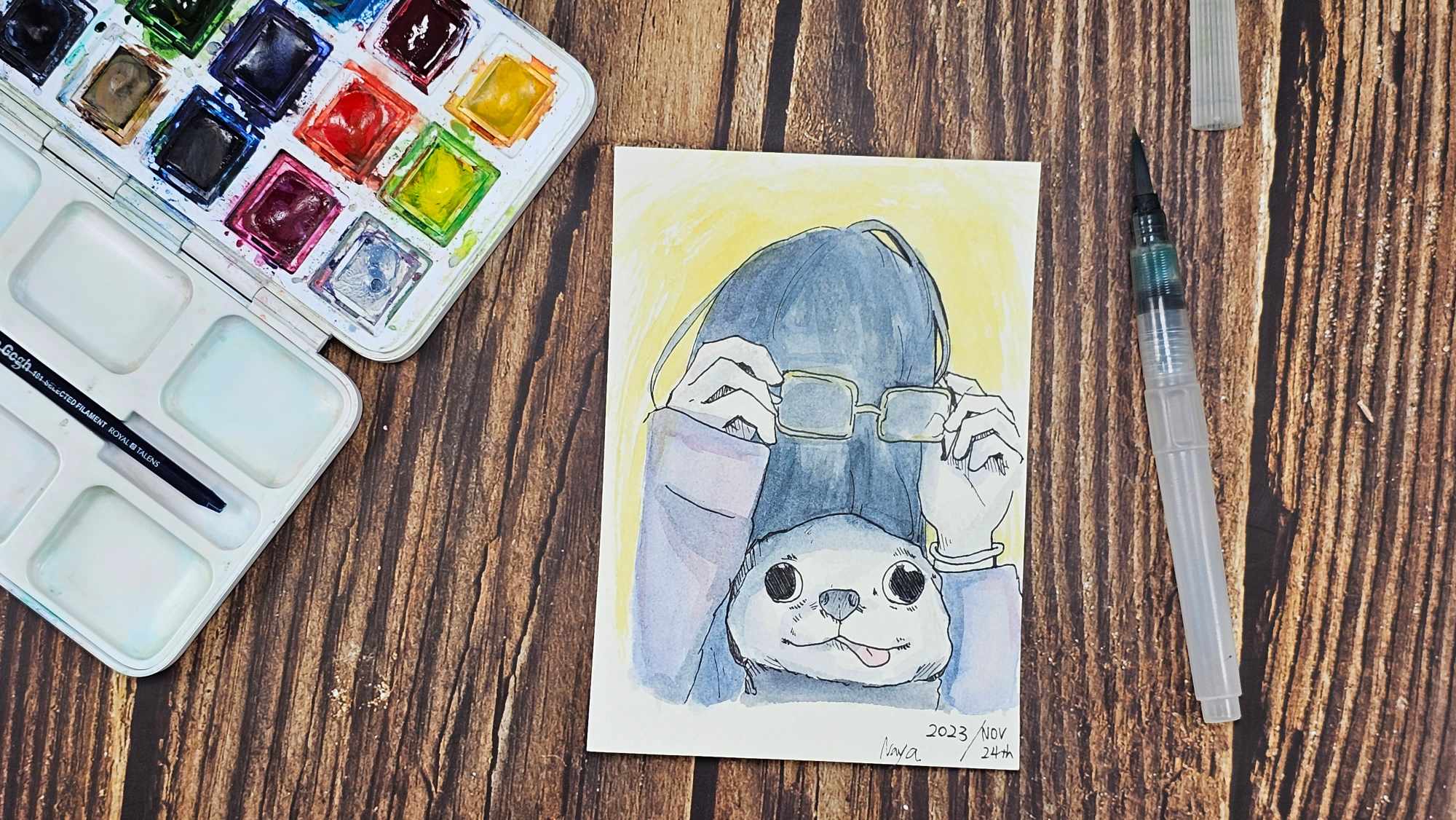
The tools artists always used
Every generation of artists has had a device for getting a scene onto a flat surface accurately.
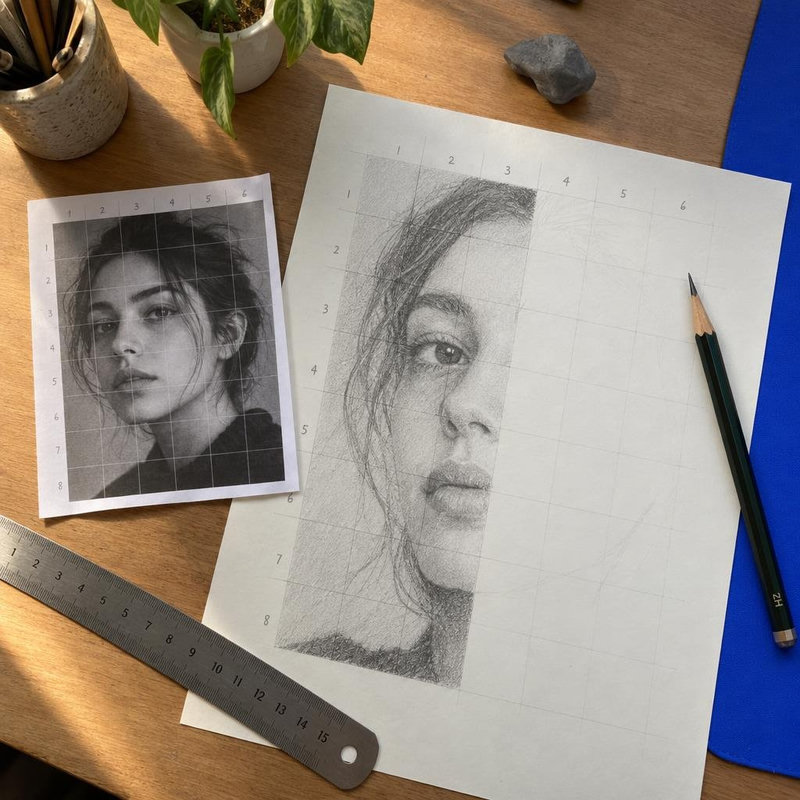
The grid. Since the 1400s artists have looked through a framed net of threads and copied the scene square by square.
The camera obscura. A dark box with a small hole projects the world onto a sheet. Painters have used it since the 1500s at least.
The camera lucida. Patented in the early 1800s, a prism on a stick that shows the subject and the paper at once.
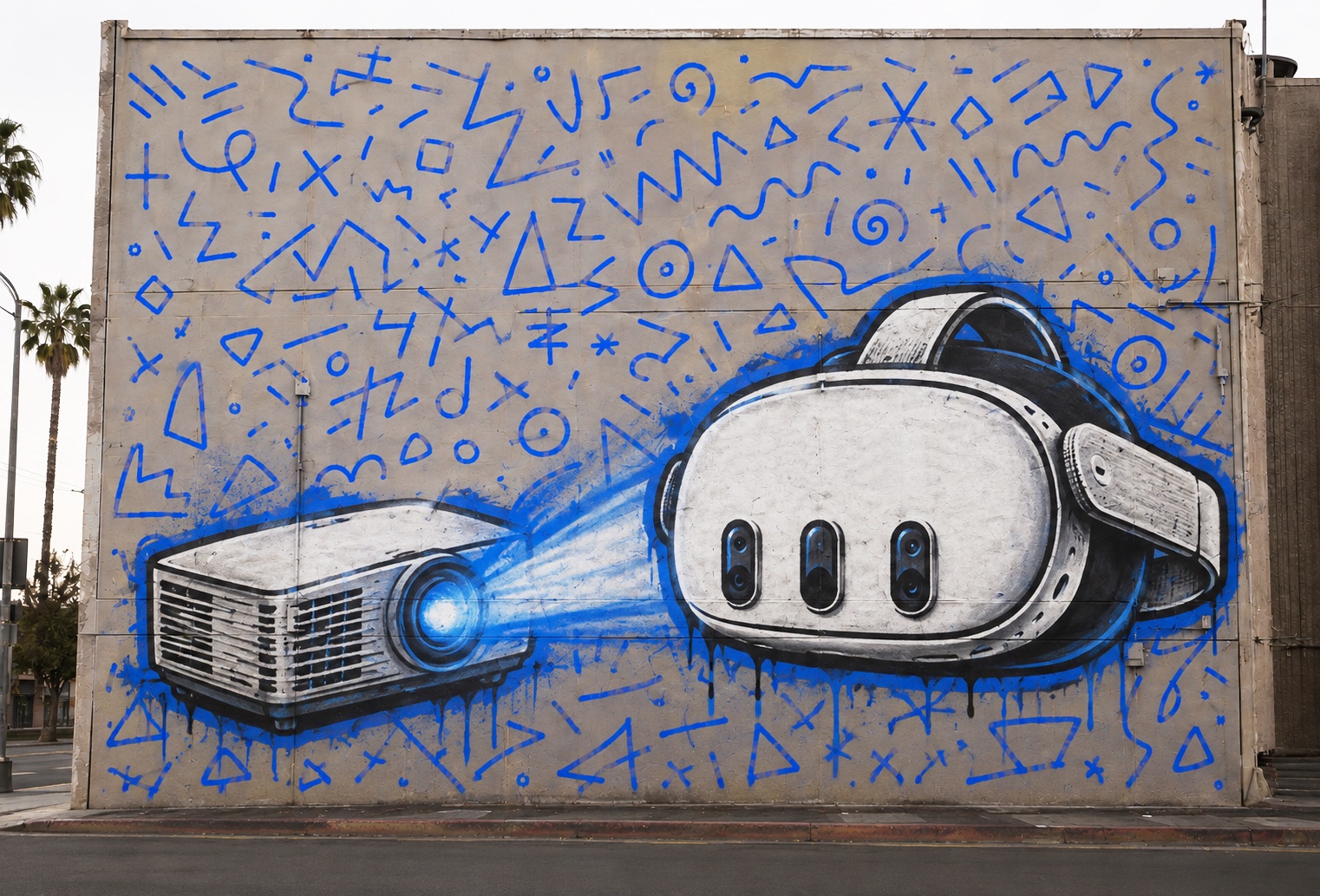
Projectors and lightboxes. Through the 1900s illustrators, animators and muralists projected slides onto walls or laid tracing paper on lit glass.
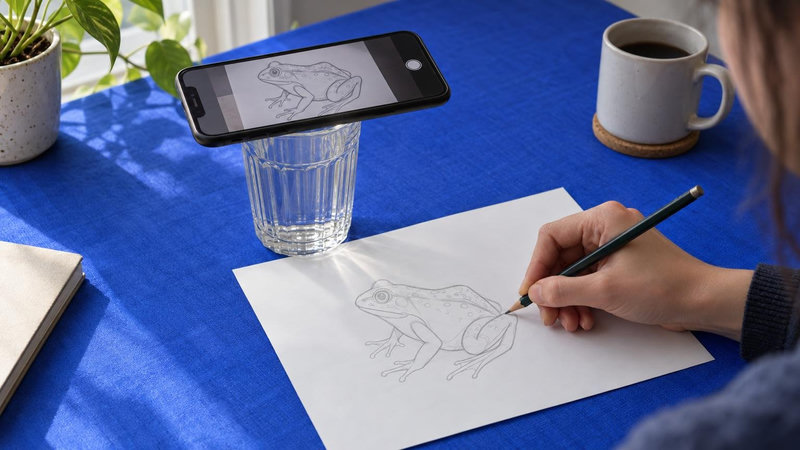
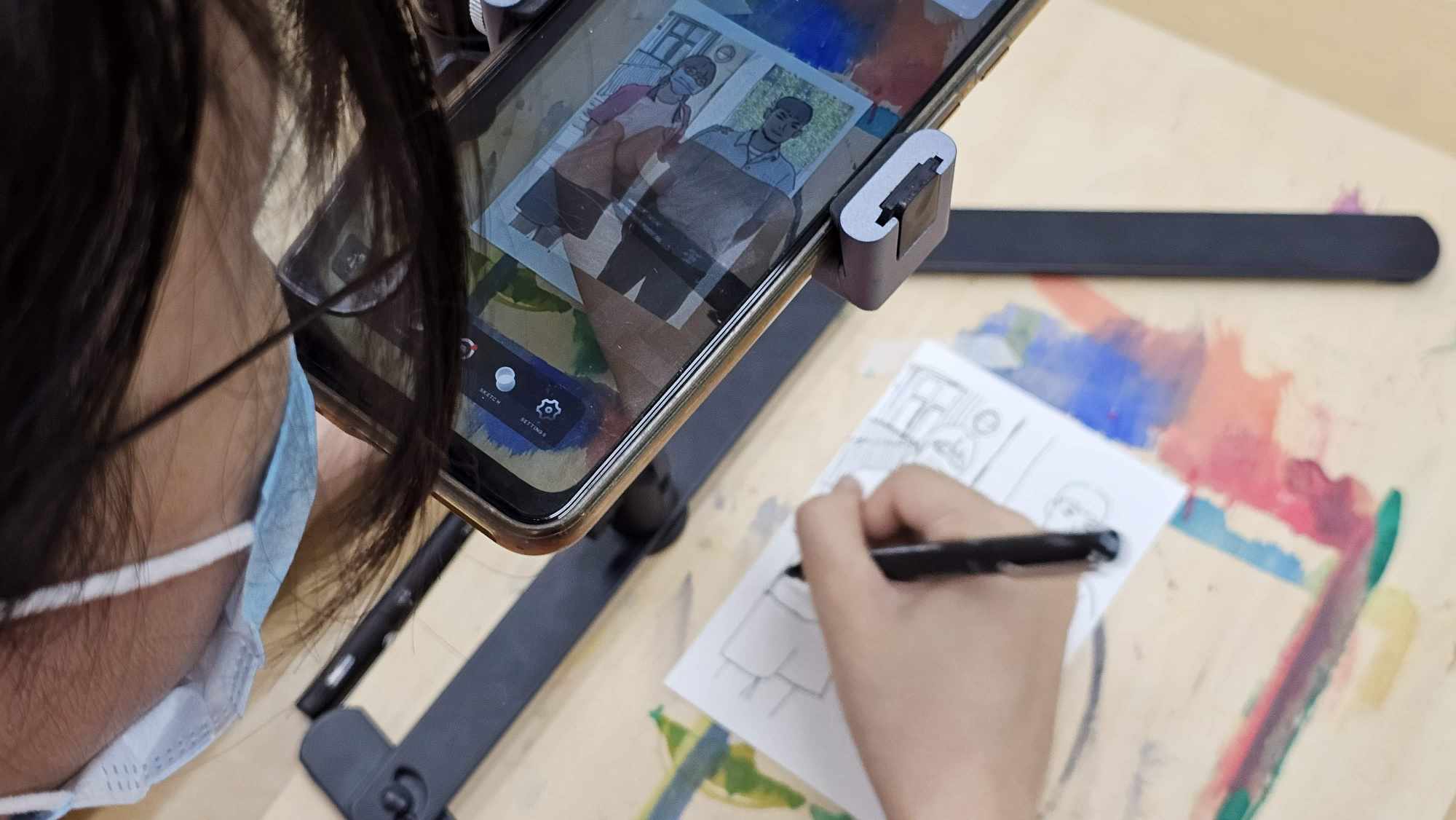
The phone camera. The same idea without the glass. The image floats over the paper, follows the phone in your hand, and you draw through it.
We wrote up how AR drawing works separately. The point here is that the phone is the newest entry in an old list, not a break from it.
What tracing does and does not teach
Tracing does teach:
Proportion. Your hand learns how long a nose is compared to an eye. Most beginners place eyes too high; tracing corrects that fast.
Line confidence. A traced line can go down in one stroke, because you know where it ends.
Order of construction. If the lesson draws the head as an egg first and the features later, you absorb the sequence.
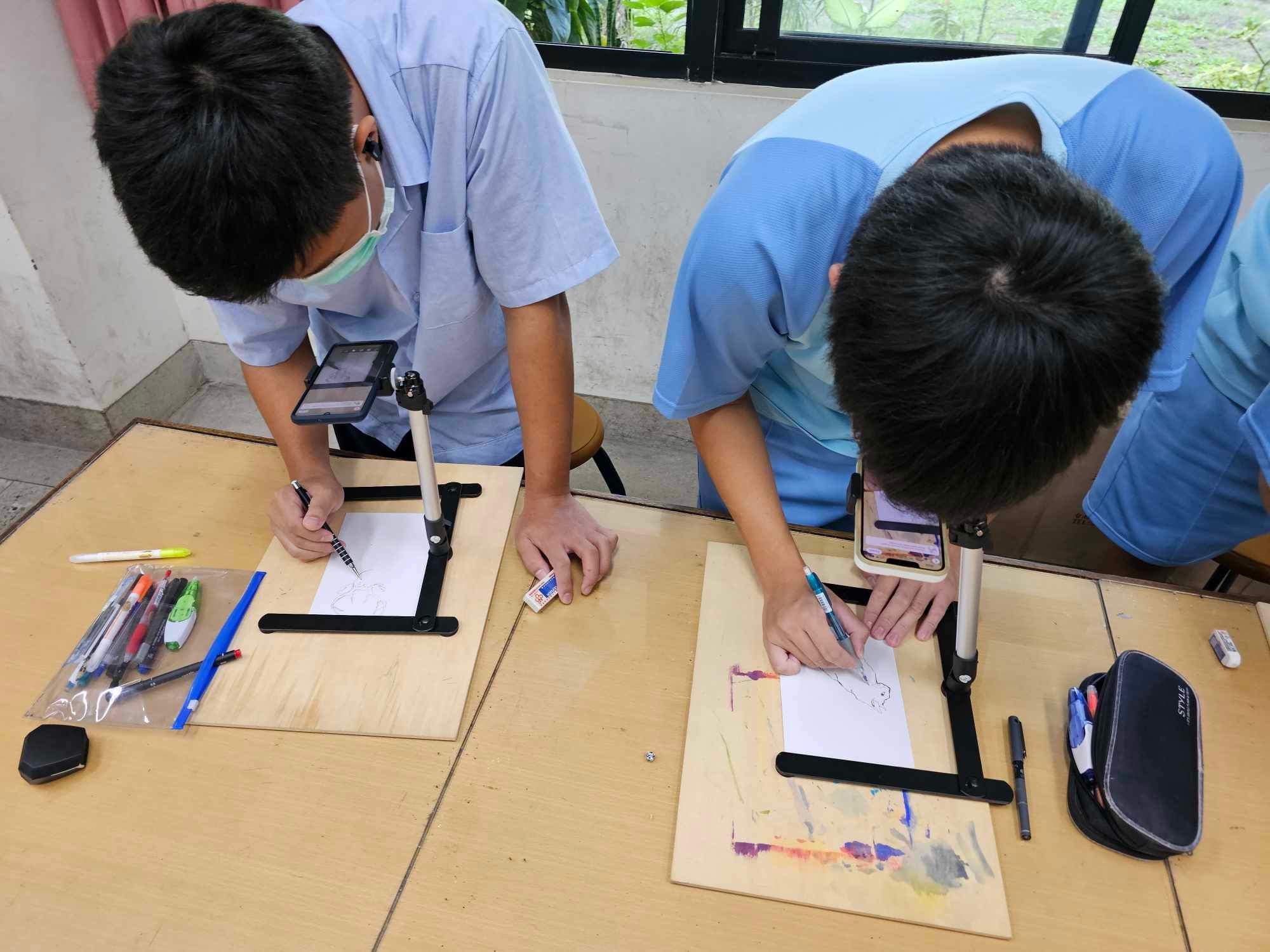
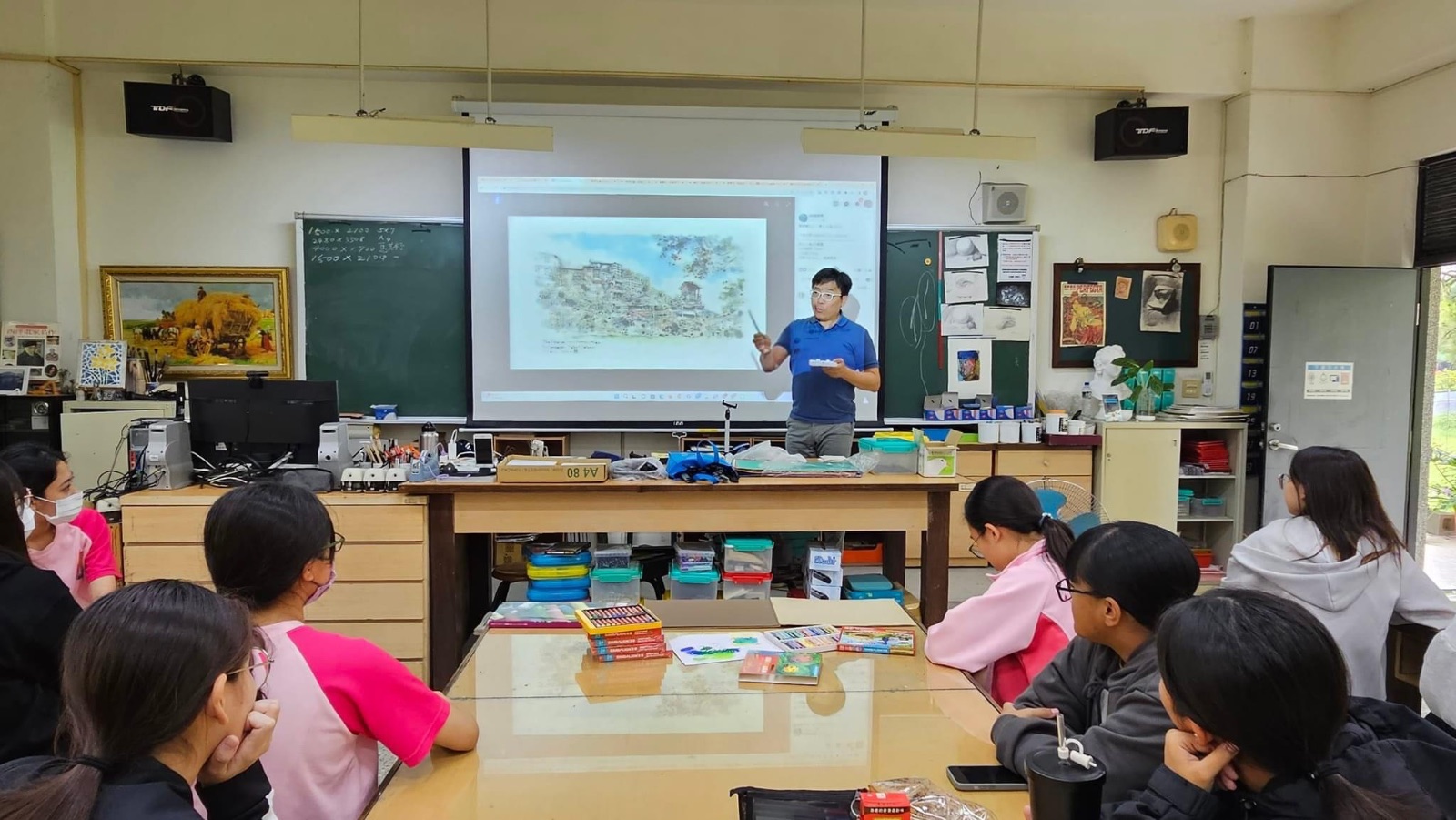
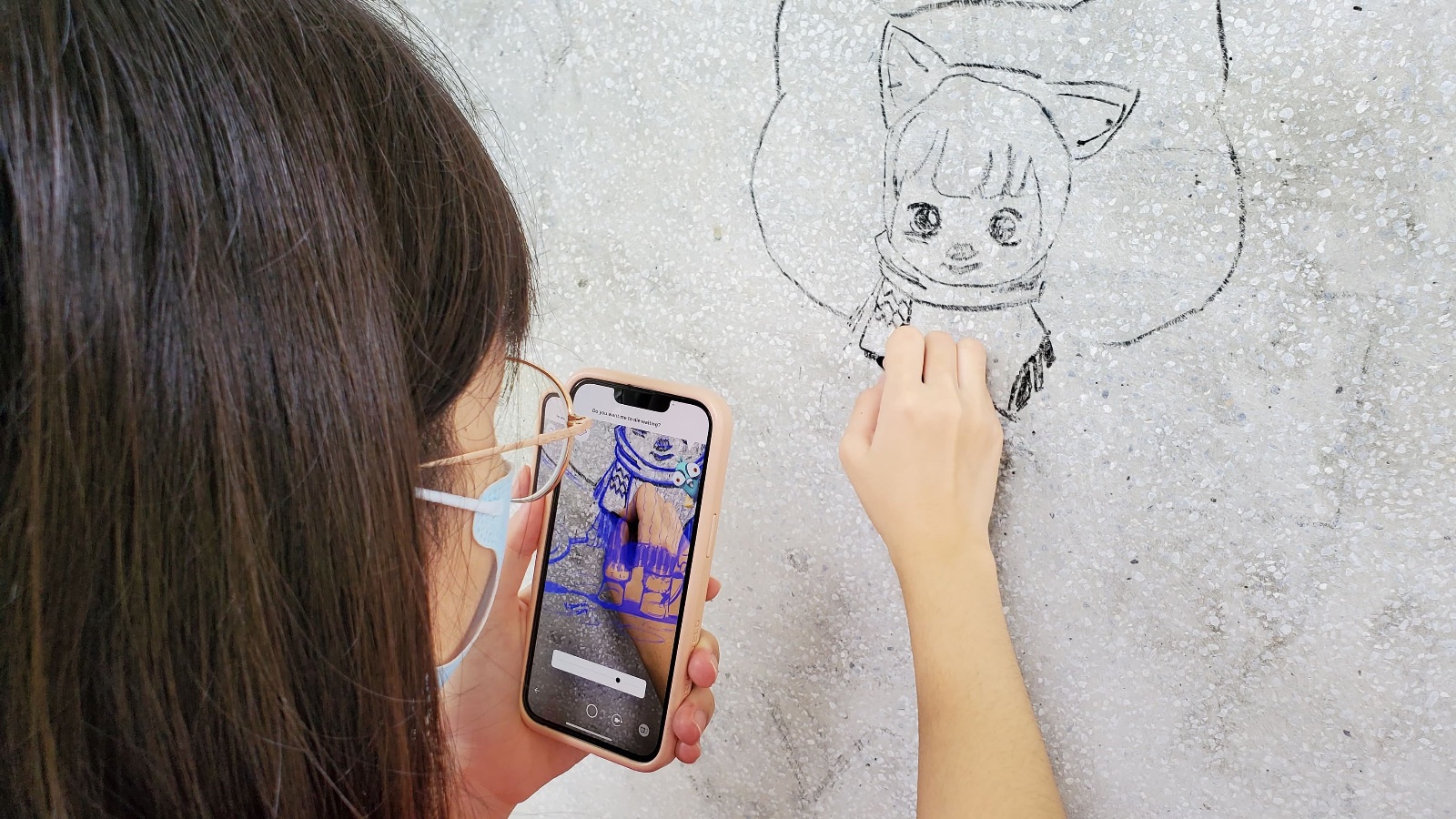
National PingBei Senior High School in Taiwan uses Sketchar at art-classes
Tracing does not teach:
Seeing. Follow the line without looking at the reference and you learn nothing about the form.
Choice. A finished outline has already decided what to include and what to leave out. That decision is most of drawing.
Recovery. Freehand drawing is a chain of small corrections. Tracing skips them.
How to use AR tracing to actually learn
Five things that turn the light table into a teacher.
Use the opacity ladder. Draw a subject once at full opacity. Drop the overlay to about half for the second attempt. By the fourth or fifth, it is a ghost you glance at only when stuck.
Trace once, then redraw freehand. Put a clean sheet next to the traced one and draw the same subject from the original. Compare the two.
Use step-by-step lessons, not only outlines. A lesson that shows the construction – the box, the center line, the placement of features – teaches the reasoning. An outline teaches only the answer. Sketchar has more than 1,000 templates and lessons; pick the ones with stages.
Keep the trace for construction lines only. Trace the big shapes and the axis lines, switch the overlay off, then draw contour, details and shading yourself.
Compare. Photograph your freehand version, lay it over the reference in the app and look at where it drifts.
When it is cheating
Contests and classes that forbid it. If the rules say "drawn from observation" or "no aids", an overlay breaks them, the same way a projector or a grid would.
Passing a traced copy off as observational work. Tracing a photograph and presenting it as a life drawing misrepresents your skill and, if the photo is someone else's, their work too. Say how you made it. Nobody shames a muralist for a wall that started as a projection – we say so on the first day.
Everything else – learning, practicing, decorating a wall, drawing with your kid – is drawing with a tool.
FAQ
Do professional artists trace?
Many do. Illustrators trace their own photos and thumbnails, animators trace over rough passes, muralists project onto walls. The professional habit is tracing your own construction, then finishing by eye.
Will I ever draw without it?
Yes, if you lower the opacity and redraw freehand as described above. People who only trace at full opacity stay dependent; people who use it as scaffolding drop it within weeks.
Is it OK for kids?
Yes. Kids get a big, finished shape on the first try, which is what keeps them drawing. Sketchar is used in schools, and teachers get it free.
Download is free. To test the opacity ladder on your own table, try it in Sketchar.